DOMINICAN UNIVERSITY IBADAN: ADVANCING AFRICA\'S INTELLECTUAL CONVERSATION THROUGH THE IAOP INTERNATIONAL COLLOQUIUM
DOMINICAN UNIVERSITY IBADAN: ADVANCING AFRICA'S INTELLECTUAL CONVERSATION THROUGH THE IAOP INTERNATIONAL COLLOQUIUM
An encounter between faith, reason, culture and the contemporary challenges of African society.
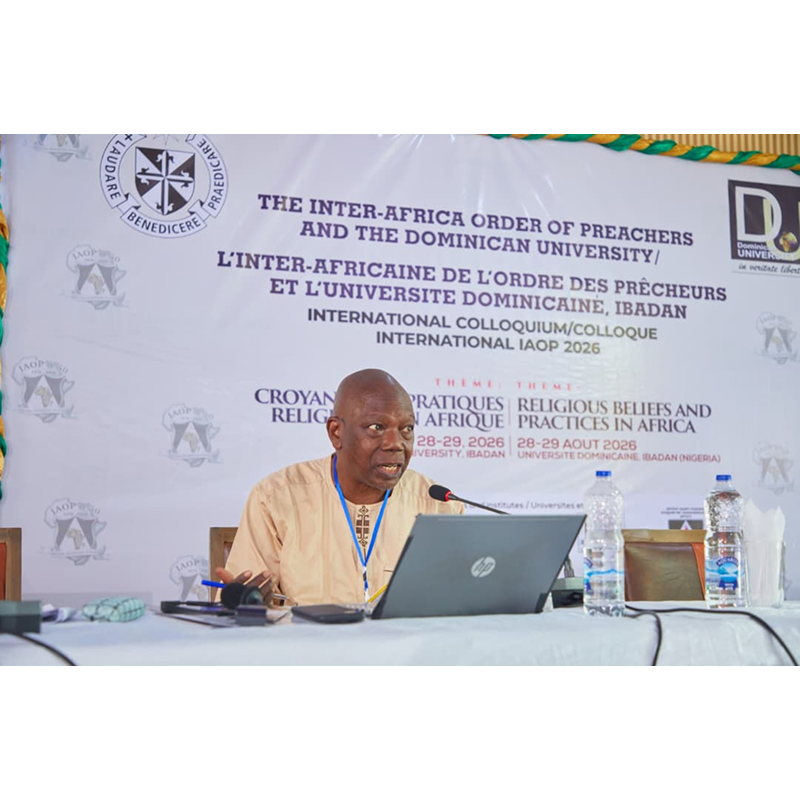
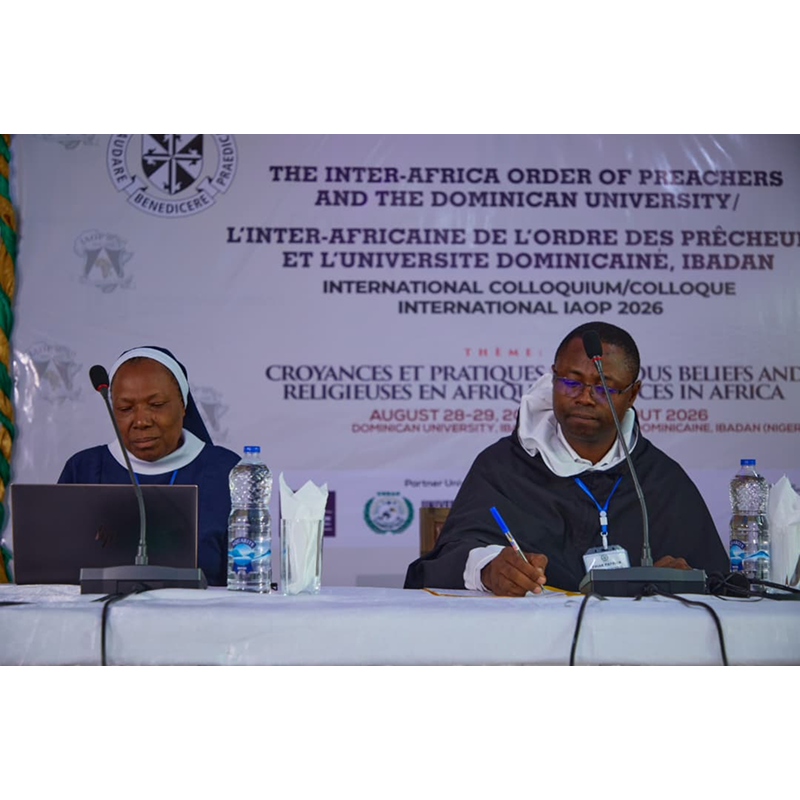
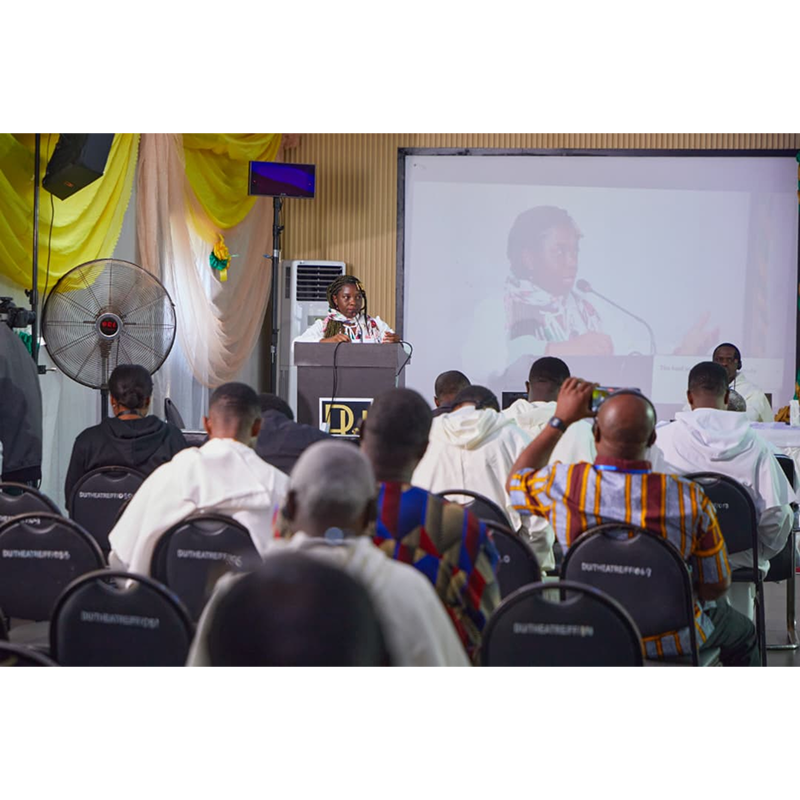
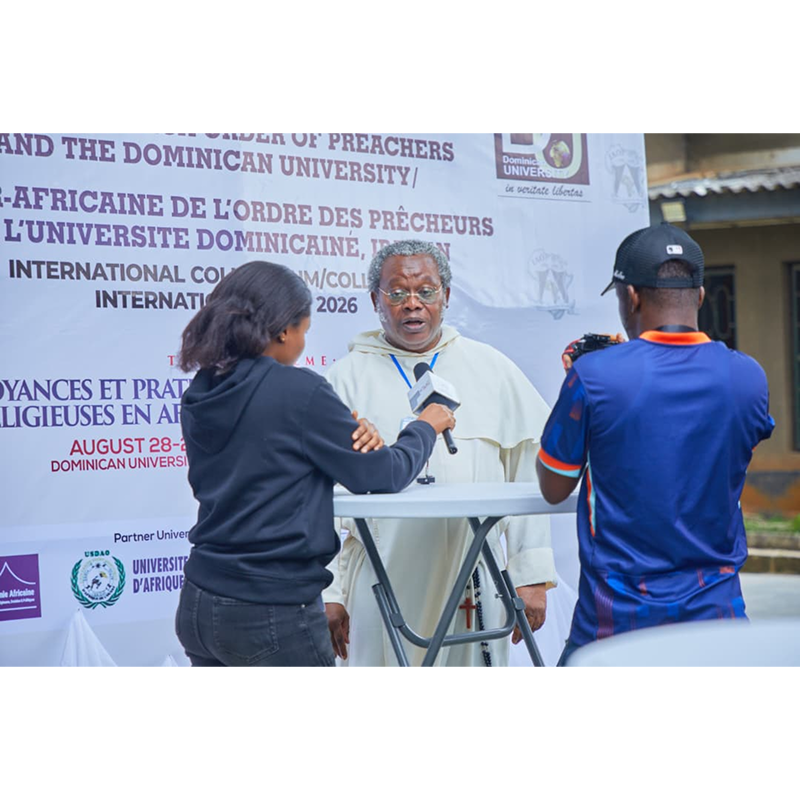
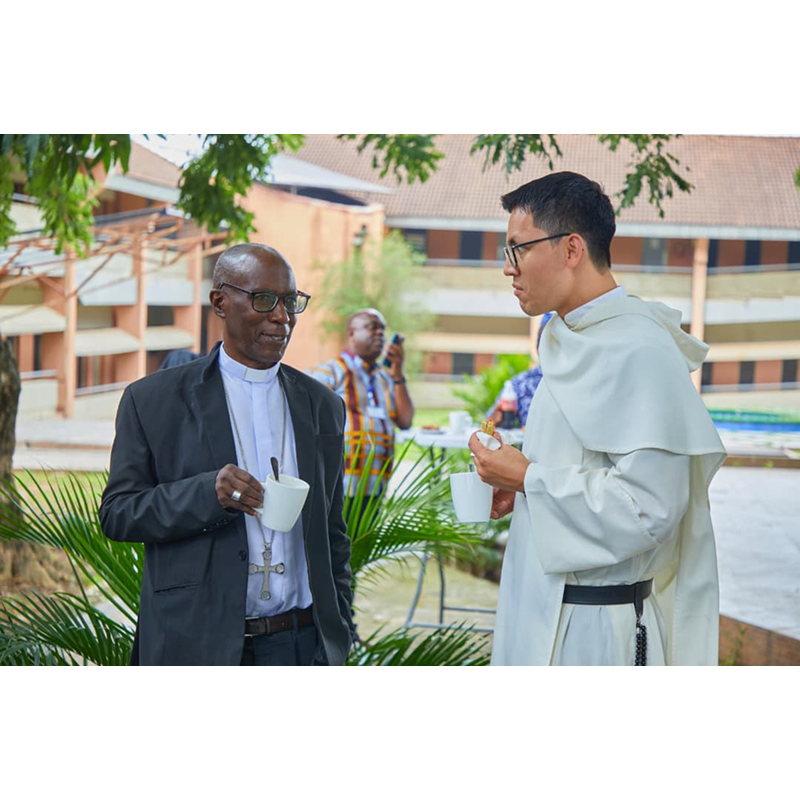
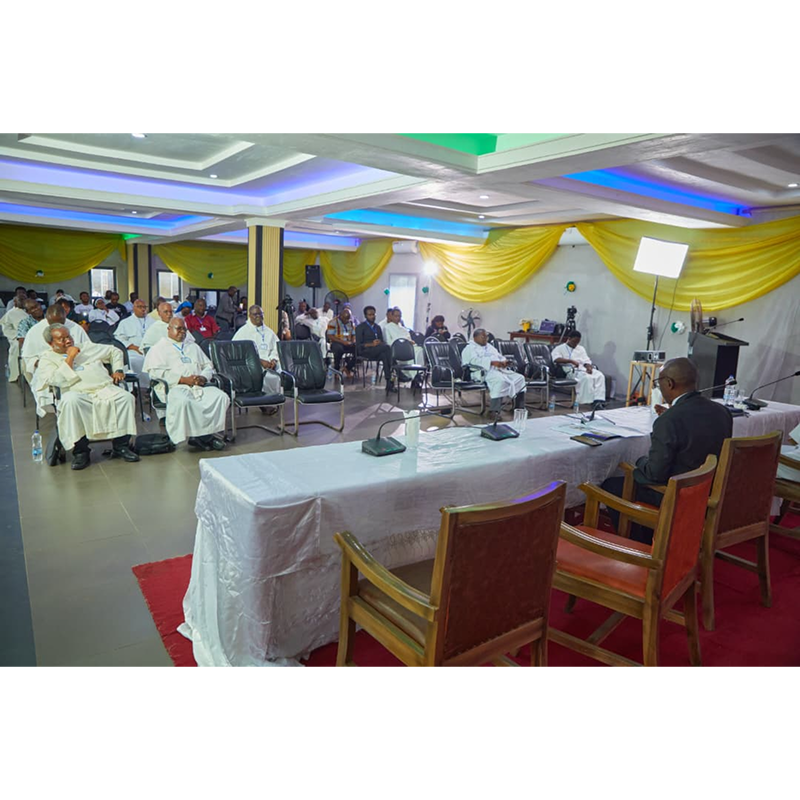
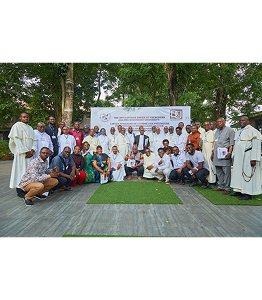
The Dominican University, Ibadan, hosted the 2026 International Colloquium of the Inter-Africa of the Order of Preachers (IAOP) on 28–29 August 2026. With the theme, “Religious Beliefs and Practices in Africa: Contemporary Challenges and Prospects,” the two-day gathering brought together distinguished scholars, researchers and intellectuals from Nigeria and other parts of Africa and the international academic community to examine the place, influence and challenges of religion in contemporary African society.
The colloquium was much more than an academic gathering. It provided an important platform for critical reflection on the complex relationship between religion, African identity, culture and social transformation. At a time when religion continues to shape public life across the continent, the questions raised were both timely and necessary: How should Christianity engage African traditional religious thought? What contribution can religion make to peacebuilding and national development? How do religious beliefs influence ethical choices, political structures and cultural practices? And how can religious traditions respond meaningfully to the emerging challenges of contemporary society?
These questions were explored through four keynote addresses and four panel sessions, bringing together perspectives from theology, philosophy, ethics, anthropology, political science and related disciplines. Among the distinguished keynote speakers were Fr. Prof. Anthony Akinwale, OP, Vice-Chancellor of Augustine University, who opened the colloquium with a reflection on The Phenomenon of Religion; Fr. Prof. Dokun Oyeshola, OP, who examined the challenges of the colonial legacy and national development; Fr. Dr. Paul A.-O. Akinmayowa, OP, whose presentation explored the concept of Ìràpadà (Redemption) in African religions; and Fr. Prof. Liboire Kagabo, OP, who offered an existential hermeneutic for thinking about God from the perspective of traditional African religions.
The breadth of the other presentations was equally remarkable. Discussions addressed the possibilities of an authentic African Christian theology, the relationship between Christianity and African traditional religions, religious radicalisation and terrorism in Nigeria and the Sahel, the contribution of the Catholic Church to conflict resolution, and the role of interreligious dialogue in peacebuilding. Other contributions examined religious hybridism, African funeral practices, cultural expressions of spirituality, and the ethical implications of artificial intelligence. Particularly noteworthy was the attempt to bring Christian ethics and the African philosophy of Ubuntu into conversation with the development of artificial intelligence for the common good.
The intellectual significance of the colloquium lies partly in its willingness to approach religion as a subject that demands serious interdisciplinary engagement. Rather than treating African religious experience as a purely theological or sociological concern, the gathering recognised that religion intersects with virtually every dimension of human existence. It is a source of meaning and identity, but it can also become entangled in conflict, political manipulation and social division. Understanding its influence therefore requires critical inquiry, intellectual openness and constructive dialogue.
For the Dominican University, the event was particularly significant. The Order of Preachers has always understood the pursuit of truth through study, teaching and dialogue as integral to its mission of preaching. The university gives institutional expression to this intellectual tradition, creating a space where faith and reason can encounter contemporary questions without fear of rigorous examination. Its hosting of an international colloquium of this intellectual breadth is therefore not simply an institutional achievement; it is a practical expression of the Dominican commitment to the search for truth and the service of the Church and society.
There is also a special historical significance in the University's relationship with the IAOP. The initiative to establish a Dominican centre for philosophical studies in Ibadan emerged from the Inter-African collaboration of the Order in 1976. That centre eventually developed into the Dominican University. The 2026 colloquium thus represents, in an important sense, the continuing fruitfulness of that vision: an African Dominican intellectual tradition that is collaborative, internationally connected and responsive to the realities of its continent.
As a rapidly developing centre of higher learning, the Dominican University is steadily demonstrating the kind of intellectual presence that the Church and Africa need. Its contribution must extend beyond the award of academic degrees to the formation of minds, the advancement of research, the interrogation of social realities and the generation of ideas capable of transforming society.
The IAOP International Colloquium was a commendable demonstration of this vision. It affirmed that Africa must not merely be a recipient of intellectual ideas and conversations originating elsewhere; it must also be a producer of knowledge, a contributor to global debates and a voice in shaping the questions that define our common future. In hosting this gathering, the Dominican University, Ibadan, reaffirmed its place as a growing intellectual asset to the Order of Preachers, the Nigerian academic community and the African continent.
Related Images